
Stephanie and I hiked mission peak today, and it was really nice out.

The views from the top were phenomenal, but there was a lot of smog across the bay.
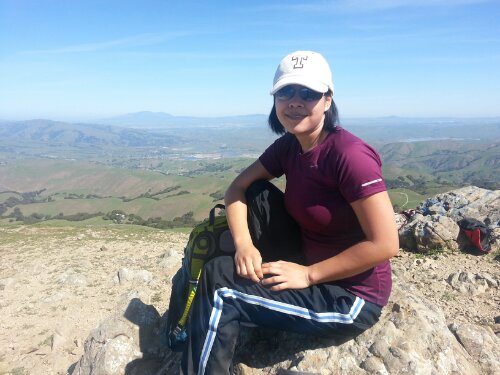
Stephanie was having trouble due to allergies and being really tired.
Stephanie and I hiked mission peak today, and it was really nice out.
The views from the top were phenomenal, but there was a lot of smog across the bay.
Stephanie was having trouble due to allergies and being really tired.
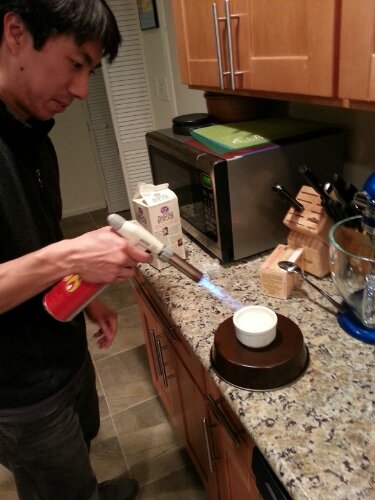
Jeremy came over and game me some of his GF’s Creme Brulee for letting him use my tanks in the rescue class this weekend. Stephanie and I had considered going to dive this weekend, but the wave model was showing it as being terrible.
Steph got her tiny candies
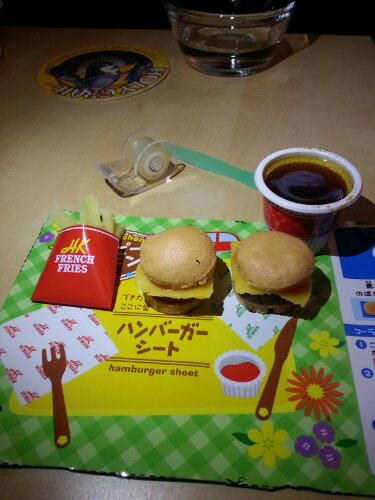
They actually tasted like the things that they were supposed to be
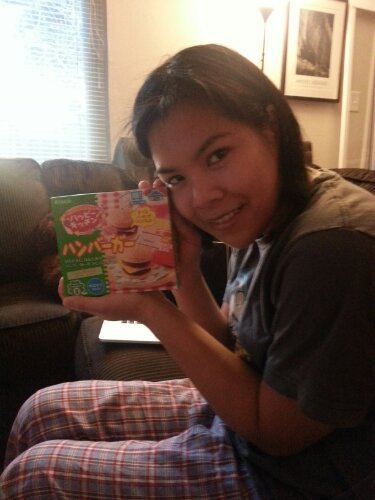
She had a ton of fun with it. Threre are so many types.
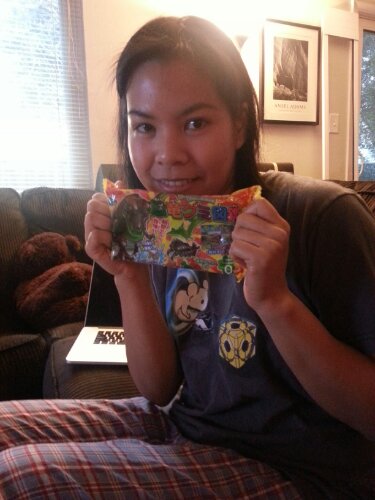
She made the hamburger and gummy dinos
This game is a very interesting one. It reminds me a lot of Coup in that you are trying to figure out what the other players have and then do things to them to make them lose. The rounds are fun and short, but the meta game of getting the most tokens of affection wasn’t that interesting. It is very fast for one round and that is the best way for it to be played, just by round. Nick won this one handily again, with Brian and Adam tying with me.
This game was interesting to be sure. I made a huge mistake the first play of the game and was paying for it ever after that. The game is very unforgiving and you think that you are way behind, and have no money most of the time since it is all tied up in assets.
I got last in the game with Nick taking first by a large margin. Adam and Brian were very close and about double the profit that I had gotten.

Here is my desk, across from me is the desk for the Creative Director/GM of the game
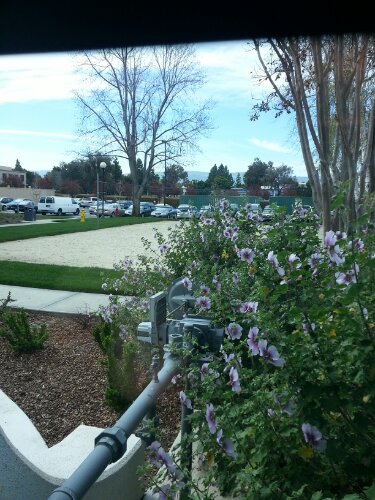
Just out the window behind my desk is a sand volleyball court

The lunch is catered every day, and there are lots of healthy snacks available at any time.

I like the new office and am enjoying the change. It is close enough for me to bike to in about 10 minutes.
Sunday morning bright and early I went to meet up with Nima and Caryn at Stanford to play some squash. We both got there at 8:40, so we threw the frisbee around until the facilities opened at 9am. After they opened we played 3 way squash until 10:30.
After squash I called my parents and talked to them for about 20 minutes.
Then Caryn, Nima, and I went to meet Steph and Nick at the California Avenue Farmer’s Market. I got my regular Samosa and ended up having lunch there with the amazing Lamb Curry Wrap. After that Nima and Caryn joined me at Shoreline Lake for a relaxing talk and sit. We just sat by the bay most of the time and talked about life. If they end up moving close I’ll have to take them out sailing on the lake.
After that I went to home and played some more Minecraft with Nick. Then, I left to join Stephanie for some horseback riding. Smoothy was being good and I got some 2 point and trotting in. Stephanie was having a really hard time getting Calypso to do anything and Calypso even reared up on Steph once.
We went to hang out at beachhead, then joined them for dinner at Tofu House, where I got the number 1. I’d like to go to Tofu House more often as it was delicious and not that fatty, just really salty. After that we sat down and watched My Cousin Vinny, which is a really awkward but good movie.

Today Nick, Steph, and I went to Big Basin state park for a 10 mile hike along the Berry Creek Falls Trail.
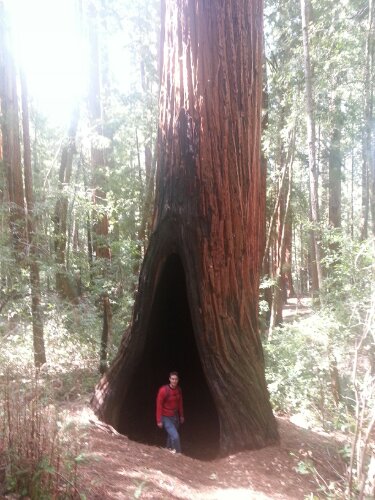
The hike was gorgeous and I reallu enjoyed it. The trees are so massive and the burned out hollows ibt the middle of the trees is pretty impressive also.

There were a ton of banana slugs. Steph was super exited fir the first few but they were so frequent that she soon stopped pointing them out.

The falls themselves were very pretty and unique. There were three big sets of falls.
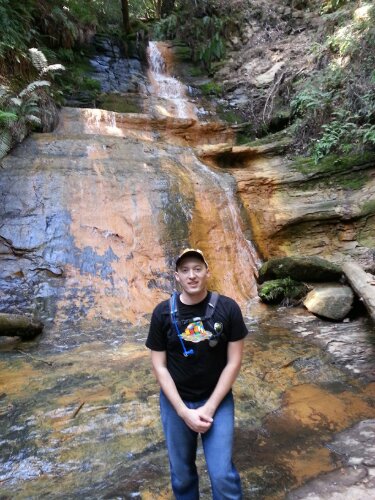
We had lunch at the first set of falls.
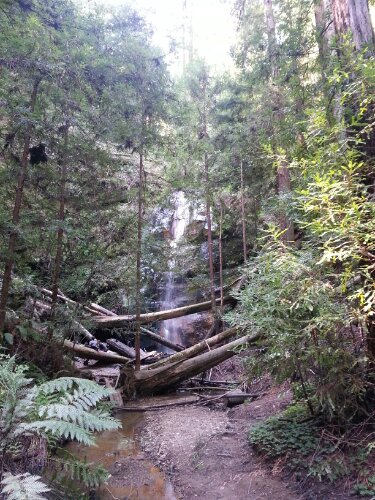
The second set of falls had a slippery path that wound down the top to the bottom. It was a little frightening but not too bad.

The Berry Creej Falls was the last large waterfall. It was just slightly the largest but I thought the first set was the prettiest.

At the end of the 10 mile loop were the biggest trees. The one above has a full sized tree coming off the trunk halfway up and it looks like a branch up against the main trunk.

A lot of people at zahirs bistro

Raspberry drop was very good as they made most of the ingredients in house. I got the artichoke chicken for dinner and the appetizer conbos were all fantastic.

